THE
SCIENCE
HOW
ACUPUNCTURE
WORKS
A DEEPER LOOK
Your body is constantly communicating and adapting. The brain, nervous system, hormones, immune system, digestion, muscles, and circulation are all working together behind the scenes to help the body stay resilient, responsive, and functioning.
Stress, poor sleep, injuries, inflammation, illness, emotional stress, and even long periods of tension can start to disrupt that communication over time. The body adapts the best it can, but sometimes those adaptations can leave people feeling stuck in patterns like chronic pain, tension, fatigue, poor sleep, digestive issues, hormonal symptoms, or feeling constantly “on edge.”
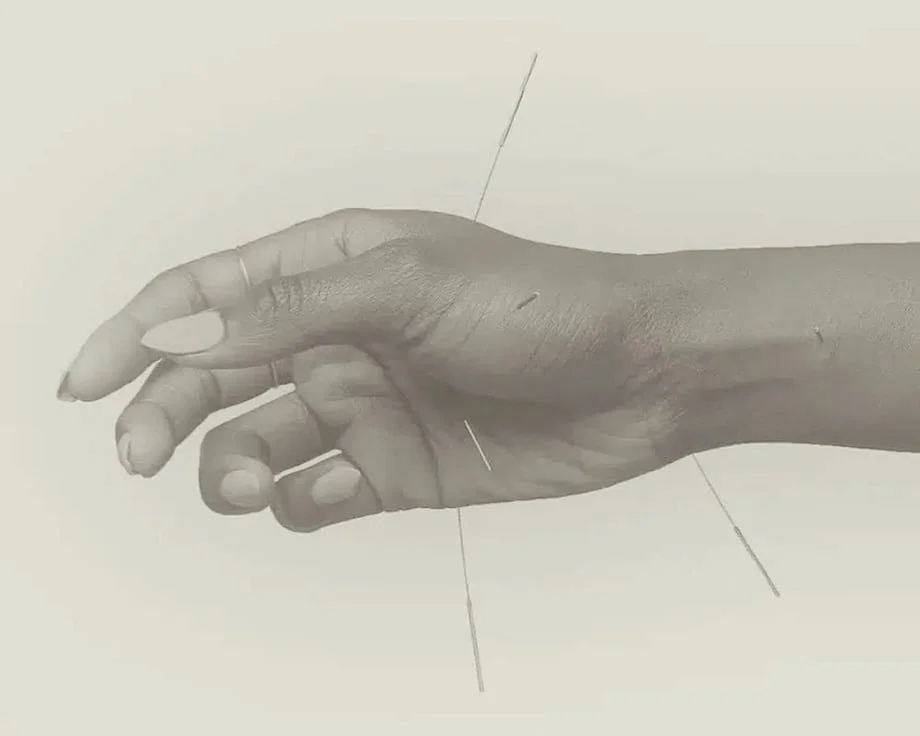
Acupuncture works through what’s often called a “bottom-up” approach, meaning it works through the body and nervous system directly rather than only through the mind. By gently stimulating small nerves, connective tissue, and blood flow in specific areas of the body, acupuncture sends signals back to the brain and nervous system that can influence things like pain response, muscle tension, stress regulation, circulation, and recovery.
Many patients notice they not only have less pain, but also sleep better, digest better, feel calmer, or have more energy overall. That’s because the body’s systems are closely connected, and when the nervous system becomes more resilient and adaptable, other systems often improve as well.
This is also why acupuncture is used for such a wide variety of conditions and is recognized by organizations like the National Institutes of Health and World Health Organization as a safe, evidence-informed form of care.
THE RESEARCH
-
Research shows acupuncture can help change how the brain responds to pain and stress, while supporting the body’s natural healing process
fMRI shows regulation of pain and emotion networks (Hui KKS et al., Human Brain Mapping 2000; Tu Y et al., NeuroImage: Clinical 2019).
Somatosensory cortical “rewiring” correlates with recovery (Brain, 2017 Maeda et al.).
-
Acupuncture has been shown to help lower inflammation in the body and support communication between the immune system and nervous system.
↓ IL-6 and TNF-α; modulation of neuro-immune pathways (J Inflamm Res, 2021 Liu N et al.).
-
Acupuncture can help shift the body out of “fight or flight” and into a more relaxed, regulated state, supporting recovery, sleep, and overall balance.
Improved heart-rate variability and parasympathetic tone (Hui KKS et al.; Tu Y et al.).
-
Research shows that acupuncture can improve blood flow and oxygen delivery to areas that need it, helping support healing and reduce pain.
Enhanced local blood flow and tissue oxygenation (Dhond RP et al., Neuroscience Letters 2008).
WHY THIS MATTERS FOR YOU AS A PATIENT
Your care is guided by both western medical data and traditional Eastern diagnostics.
Your treatment plan is individualized, designed around your clinical labs, symptom patterns, and physiology, not a one-size-fits-all approach.
Dr. Visbal brings experience across hospital, community, and private settings, and works alongside physicians and care teams to support truly integrative care.